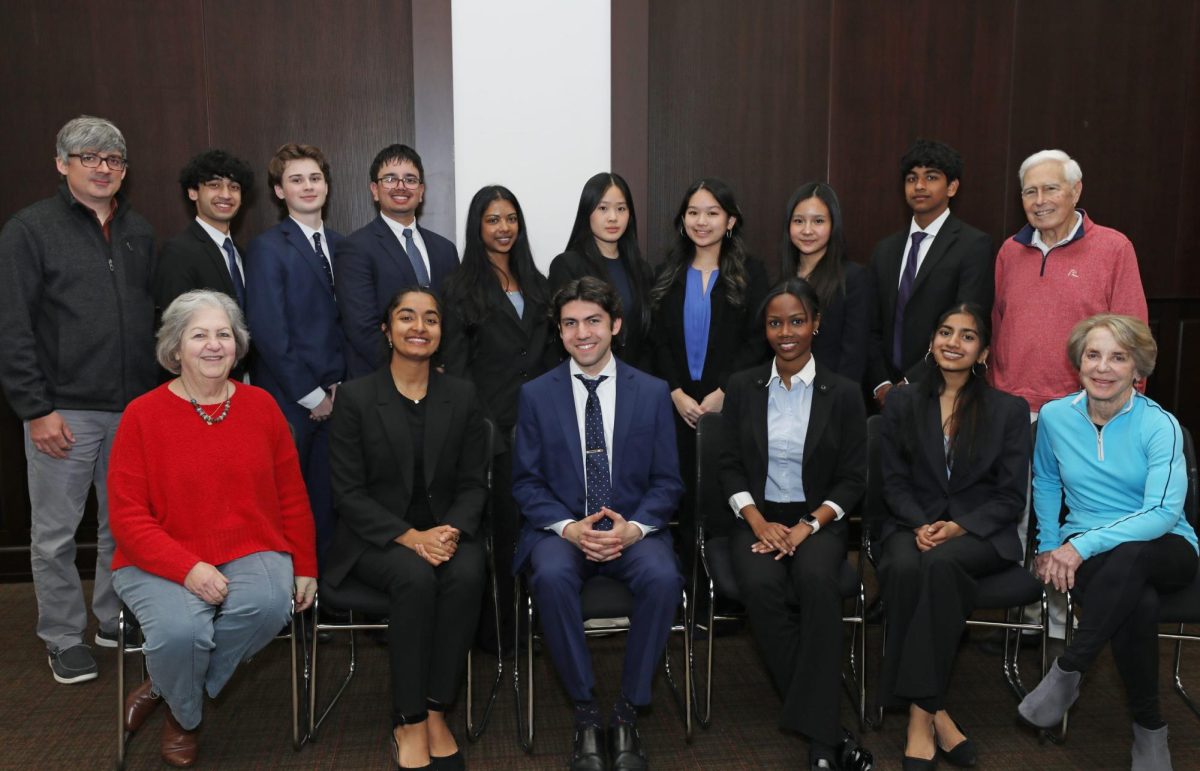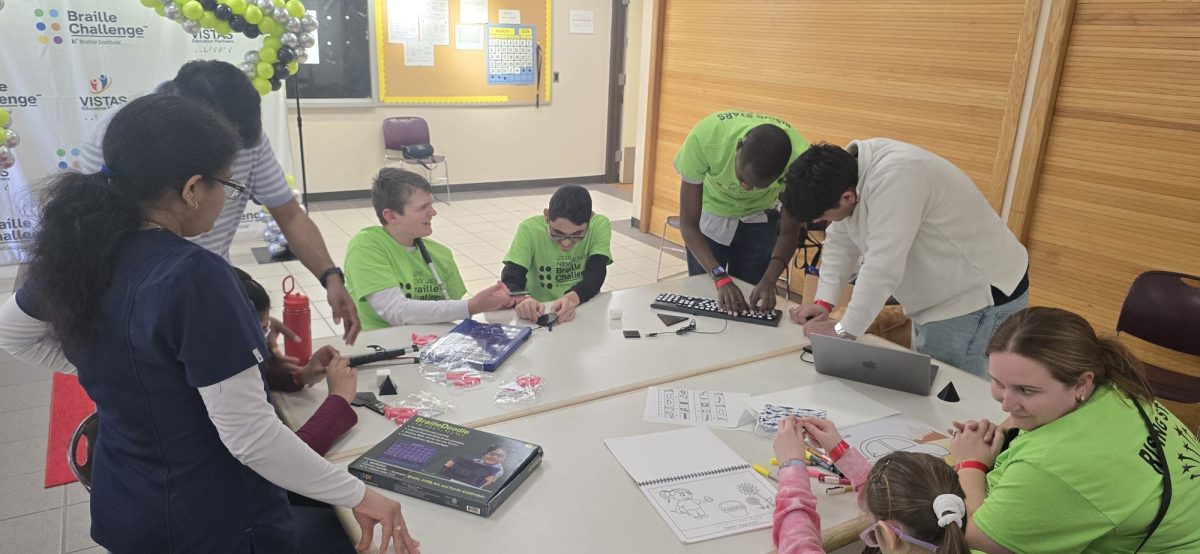
Everything started with a Google search. When senior Umang Sharma, the founder, CEO, and chief engineer of Jdable, discovered that braille keyboards cost thousands of dollars, he felt as if accessibility should not feel like a luxury to people; rather, it should be a right. He shared, “Something a kid needs to learn how to read shouldn’t cost more than a used car.” That moment was reinforced once he began testing his own prototypes with students in Delhi. Indeed, it became the foundation for his non-profit Jdable, which aims to close the gap between innovation and affordability in disability technology.
What first started as a single project has expanded into a global, student-driven initiative. Jdable has reached over 100,000 people and continues to grow, developing tools such as low-cost braille keyboards, smart canes, and the Navilo autonomous wheelchair. Yet, for Sharma, the focus has never been on scale alone. He explained, “The job is making sure every decision still traces back to a real person and not a number on a slide.”
Behind that mission is a wildly diverse team of over 60 students and professionals, including freshman Sutej Deshpande, a finance intern. He was drawn by the opportunity to apply his prior skills to meaningful work like this, with Deshpande now providing help for managing budgets and planning to keep projects moving. Even in his first month, the impact felt immediate. “I’m already working with someone in the UK to help get his organization Jdable’s one-of-a-kind braille keyboards,” he noted. “It’s not just words on a website, it’s actually making a difference on the other side of the world, and being part of that feels amazing.”
Jdable’s work proves that innovation does not have to come with an inaccessible cost. For students interested in joining, both Sharma and Deshpande emphasize the same idea: start small, and start now.