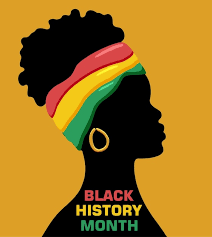
February 1 marks the beginning of Black History Month, a time dedicated to honoring achievements, resilience, culture, and the lasting impact of Black Americans throughout history. While February serves as a period of recognition, Black history is not confined to a single month: it is deeply entwined with American History and deserves continuous acknowledgment and understanding.
A few weeks ago, the PDS community gathered for a vibrant Black History Month celebration that beautifully reflected the richness of the African diaspora. The campus center came alive with music from influential black artists, poetry readings featuring the words of Maya Angelou, and the sharing of authentic cultural foods. The event was more than a celebration— it was a reminder of the depth, creativity, and strength that have shaped generations.
Understanding Black history is essential. For centuries, Black Americans endured the horrors of slavery, oppression, and the erasure of family histories and identities. As Upper School English teacher Dr. Leila Estes shared, being able to trace her family lineage through genealogical research is profoundly meaningful. For many Black families, enslavement made it nearly impossible to maintain records or preserve generational connections. The ability to reclaim that history represents both scientific advancement and cultural restoration, intersecting research, resilience, and identity.
Senior Adeola Egbeleye powerfully stated, “Black history is American history.” The economic, political, artistic, and social foundations of the United States were built with Black contributions at every level. To isolate Black history is to misunderstand American history as a whole.
Education plays a crucial role in preserving and spreading this knowledge. Incorporating Black history meaningfully into the school curriculum ensures that future generations understand the full, complex story of our nation. As Seniors Ethan Mack and Ariyah Lamin emphasized, young people hold immense power and will to be the next “catalysts for change”. When educated, the youth can forward the lessons of history and continue pushing for understanding and progress.
Black History Month is about honoring legacy, amplifying voices, and shaping the future. February provides an opportunity to celebrate this, but Black history extends far beyond one month, and it is important to have respect and appreciation for the history that shapes us all.