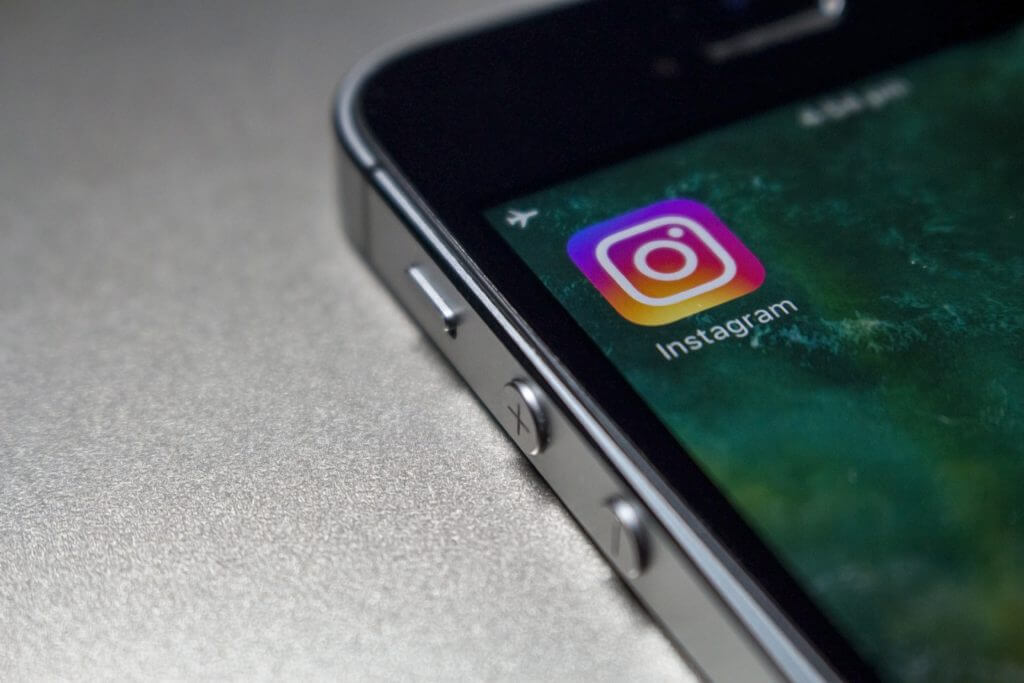
Do you ever repost someone else’s post on Instagram and feel like you’ve participated in something important? When it comes to activism, does reposting actually create change, or do they mostly just show support?
In my opinion, Instagram reposts do contribute to activism, but only to a certain degree. Reposts are best understood as a starting point: they can spread awareness, signal support, and spark conversations, but they are not enough on their own to create meaningful change unless it leads to action.
One reason reposts matter is visibility. In a school community, students often learn about issues through what their friends share. For example, when I see a post about Mental Health Week or a climate change event asking for engagement, I willrepost. When a lot of students repost it too, the information becomes very visible.
Sophomore Silver Zhang explained that reposts can shape what appears online next, saying, “I repost content so the algorithm pushes more content related to the reposted information,” so it becomes hard not to learn about issues through reposts. That shows reposts can genuinely influence what students see and discuss.
Senior Luke Nolte described a time when a repost didn’t just inform him—it changed what he did next. After seeing a repost about an ICE raid in Princeton township, he said it pushed him to “research it more” and verify details through local and national news coverage. That suggests reposts can function like a trigger: not the full story, but the thing that encourages someone to learn the full story.
Reposts also matter because they can start real conversations in-person. I think this is one of the strongest points in favor of reposting; even a small online action can lead to offline discussion, which is where activism becomes more real. As Zhang shared, “It’s a way for others to see what you like and what you think about something. It’s sort of a way to connect with others… (and) I’ve heard lots of conversations start based on reposts.”
Still, that isn’t everyone’s experience. Nolte said reposts rarely translate into real dialogue at PDS; in his view, they mostly “stay on Instagram,” and it’s difficult to organize serious conversations when students are “wrapped up in their own academic path.”
At the same time, reposts have limits. Zhang said there can be peer pressure and people who “guilt-trip” others into posting, which can make reposting feel performative instead of meaningful. Freshman Arjun Zagade added how he sometimes rethinks reposting because his action may just seem like “jumping on the bandwagon,” demonstrating how reposts can be shaped by social reactions and the need to curate an image.
Regarding activism, I think reposts can bolster it, but they cannot be the only step. People see them, maybe talk about them briefly, and then the reposts disappear. This does spread the information because more students learn the basic message, but it may not make the real difference if no one takes the next step, like attending a school meeting, raising funds, volunteering, or contacting others for partnership and support.
Nolte argued that even if reposting disappeared tomorrow, student activism at PDS might not change much, because “there’s not much activism in general.” Without clubs, events, meetings, or spaces for civil discourse, reposts stay symbolic. Eventually we need to take action to make the difference. Reposting can be the spark, but action has to be the fire.