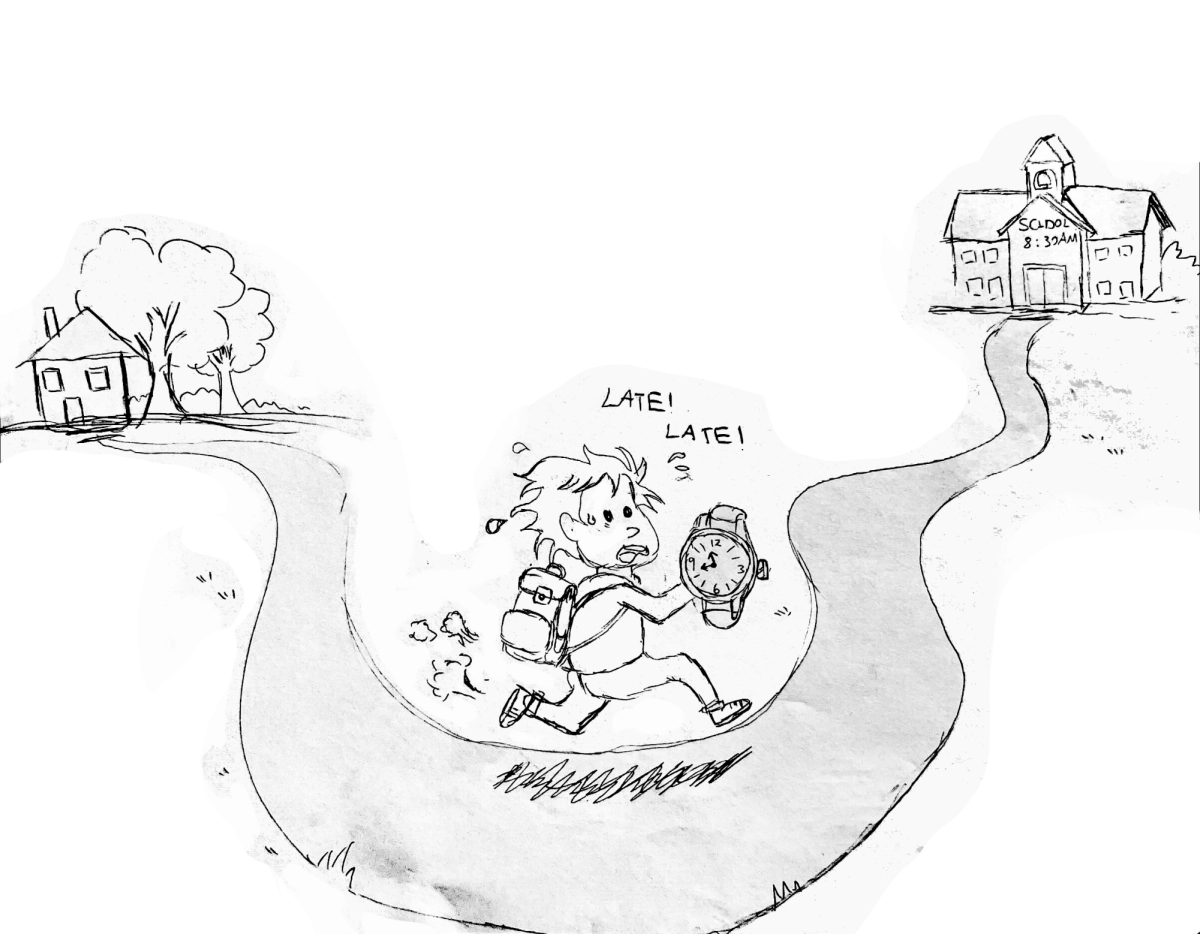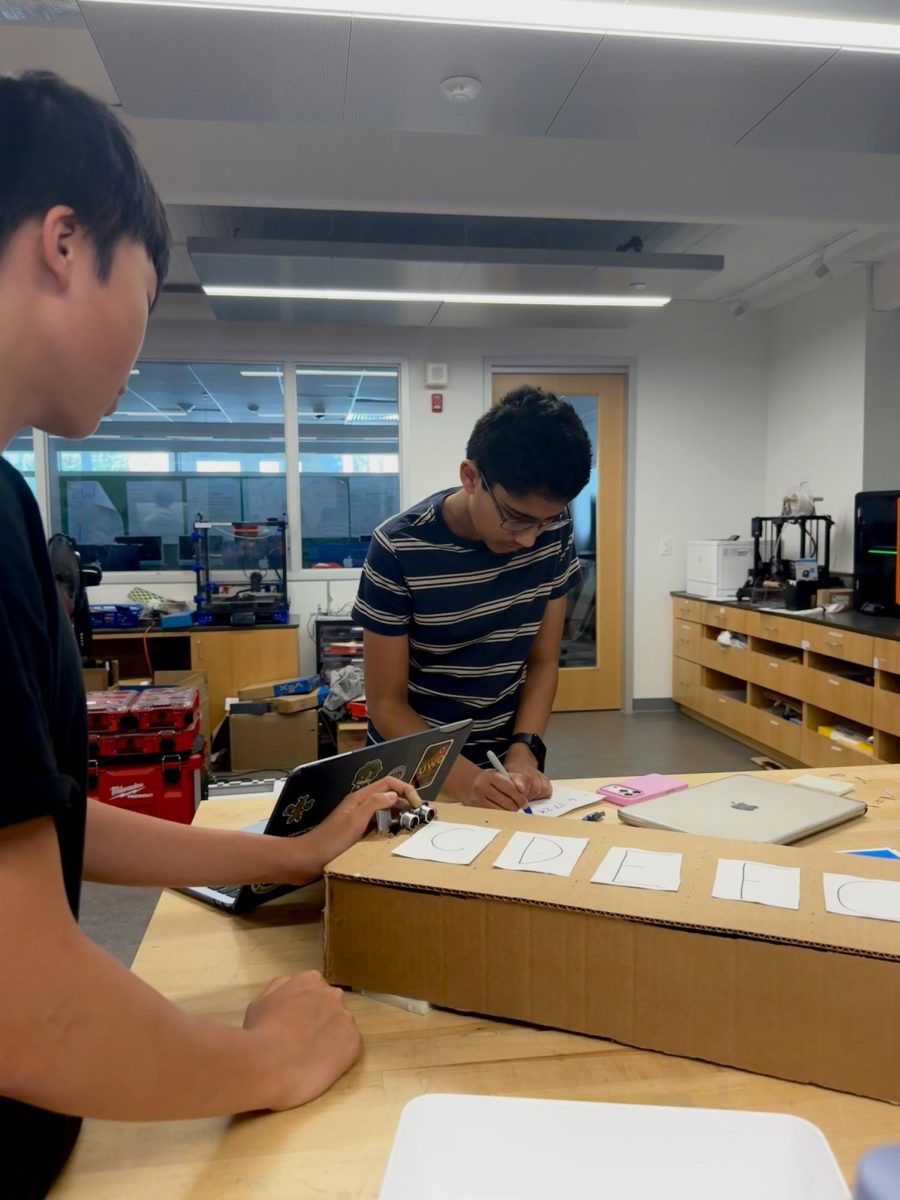
While moving sports practice to C&C blocks at the end of the day may allow additional free time for students to balance their schoolwork and extracurricular activities, it would create significant trade-offs that hinder class schedules and events.
One of the clearest benefits of moving sports to C&C is additional free time; If sports practice were scheduled during a designated time slot in the school day, students could finish earlier and have more time to rest and study. The benefits of this change are shown to reduce stress, which would improve academic performance. Additionally, this also demonstrates the recognition of sports as an important part of education. Combining sports into the C&C block places the importance of athletics on the same level as academics.
However, the glaring issue is scheduling conflicts. While C&C is a relatively free block, with mainly extracurricular courses sewn into the block, such as performing arts or honors classes, this creates a dilemma where students who are interested in sports, performing arts, and academics may have to prioritize some over others. This significantly limits students’ opportunities to explore their passion. Additionally, some honors courses have extra classes to further boost the pace of the course, and those courses with elevated difficulties require consistent attention and instruction. If inconsistencies in attendance start appearing in these honors classes in order to fit sports practices, it could dramatically impact a student’s performance in said class.
Overall, though moving sports practices seems like it gives students a lot more freedom with their time and allows for better stress management, it hinders academic and extracurricular choices. Therefore, Princeton Day School should keep sports practices after school instead of within the school day to better cooperate with other important classes without unnecessary conflict.