From the Harry Potter boycotts as a result of JK Rowling’s comments on gender identity to the backlash against Kanye West’s anti-semetic social media posts, many artists have faced consequences in recent years for their personal beliefs. These events have sparked massive debates, as the PDS community questions whether it is possible to separate the artist from the art. And if it is not, is it ethical to consume art from a problematic artist?
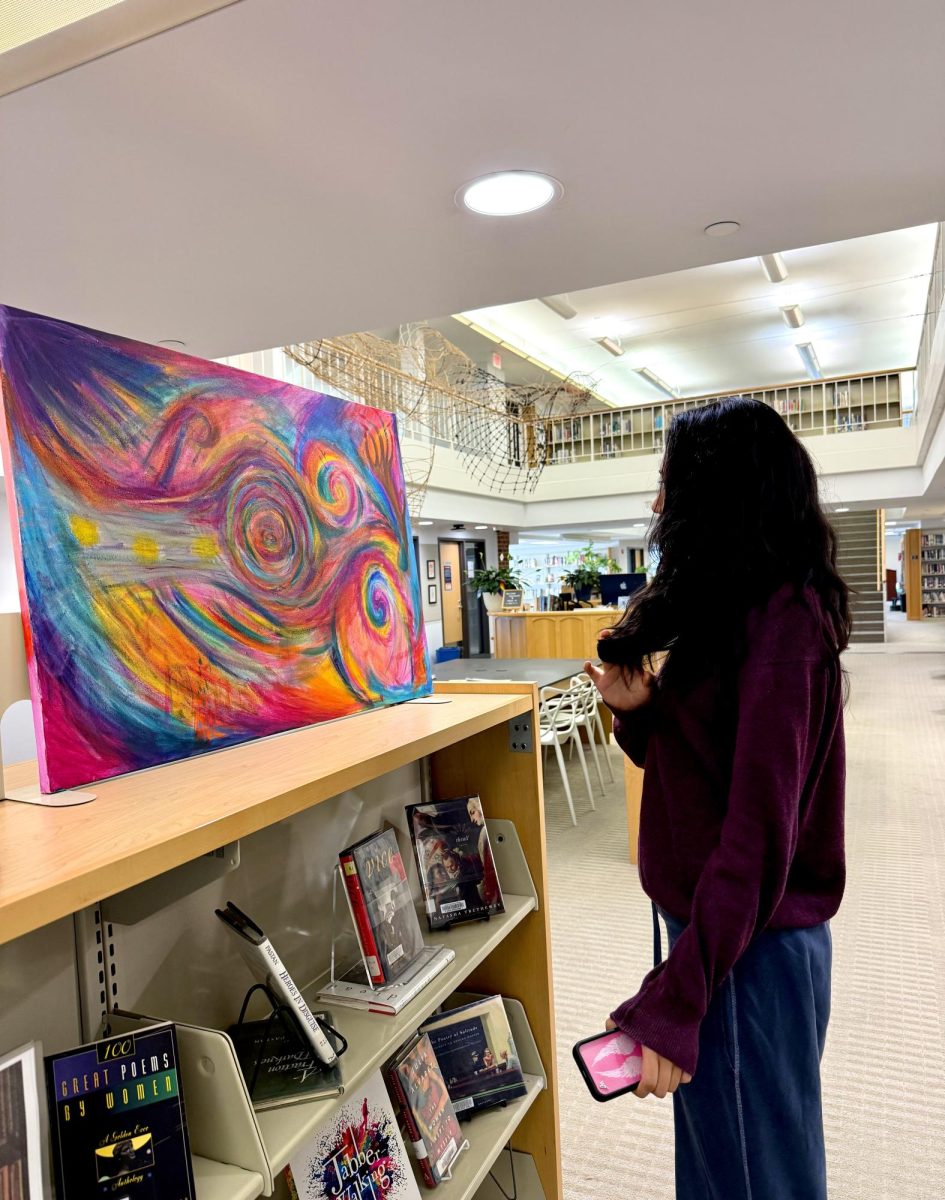
Whether it’s intentional or not, art often reflects the values of the artist because art is a form of expression. Senior Sabrina Mansour shared, “Anything I make follows my internal moral code. It follows my values whether I think about it intentionally or not.” For Mansour, it is difficult to discuss art without taking into account the artist, as it provides crucial context to understanding the message being portrayed.
However, once art is released into the world, it can be reinterpreted beyond the artist’s original intent. Upper School art teacher Gwen Shockey elaborated, “When the art leaves the studio and enters the world, the artist, in some ways, has to give up authority over the work. It begins its own life in the public realm.” A key example of this is classical literature, such as Romeo and Juliet and The Great Gatsby—both of which have modern-day interpretations that have surpassed the scope of Shakespeare and Fitzgerald. When considering art from this perspective, it becomes more difficult to determine the role of the artist.
Thus, if an artist turns out to be problematic or controversial, it becomes difficult to unpack the morality behind continuing to support their art. Mansour expressed, “If it’s something like a human rights issue, then I definitely don’t want to keep giving [the artist] more money, more of a platform to keep those promoting values.” Still, many artists have work that resonates deeply with audiences, so people have difficulty giving up art when they feel a personal connection.
Ultimately, the question of whether the consumer should continue to support the art of a controversial artist varies person by person. It is up to the individual to find the balance between valuing creativity and upholding their moral beliefs.