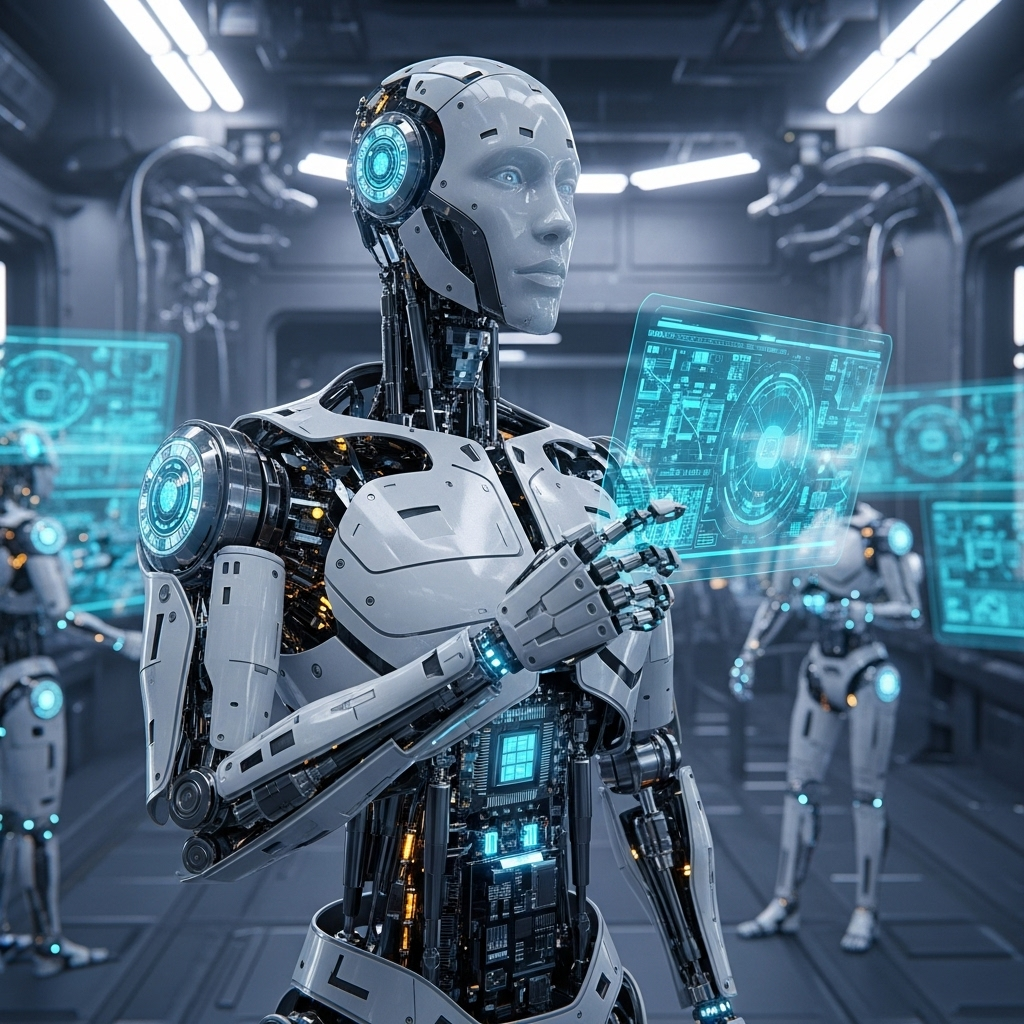
One of the major topics for debate today is AI. It can improve self-studying, data analysis, and even scientific discoveries, but there are also serious concerns about user integrity and job loss. The issue of AI actors in particular underlines both of these issues.
First, companies can use AI to imitate an unwilling actor. An actor should, by default, have copyright over their image and voice. Thus, there can be legal issues regarding the hiring of AI actors. Also, these mechanical functions take jobs from human actors. Most actors have a lifelong passion for acting and started honing their craft at a very young age. By hiring AI actors, companies would be reducing the careers of these actors to nothing.
Besides these common issues, the use of AI actors has another major drawback. Companies that want to save money by using AI should consider the authenticity of AI actors. AI has no emotion. In order for a movie or play to attract an audience, the actors must be able to realistically portray the emotions of the characters. Even though programmers can mimic facial expressions, these expressions do not display the strong emotions that humans can. The transfer of expression from the script to the programmers and then finally to the AI actors involves many steps. In this way, authenticity can be lost after many transfers of interpretations.
These drawbacks are not only obvious to myself. In my PDS Upper School survey, I received 196 responses, and 93% of them were against companies hiring AI actors. This underscores how the attitude of the many people is against AI actors.
Thus, companies should not attempt to maximize savings or generate more efficiency through AI actors. They might believe that AI actors are cheaper than real actors, but the audience would not accept the new form of movies, and companies have more to lose than they would gain.